Security Gaps and Diploma Fraud: When Trust Is Undermined

The digital transformation of education is generating massive volumes of learning data, from student records and skill certificates to diplomas and data from online learning platforms. However, as education systems move into digital environments, issues related to data security and verification are becoming increasingly evident.
Most academic data today is still stored in fragmented systems managed separately by each university or training organization. This fragmentation makes it difficult to verify and cross-check information, especially in international recruitment processes. At the same time, the growth of online learning platforms has increased the risk of credential fraud and fake diplomas.
In the global labor market, employers often spend significant time verifying candidates’ academic information. Contacting universities directly or manually reviewing records not only slows down recruitment but also introduces risks related to data accuracy.
These limitations highlight a critical issue: the current education system lacks a strong trust infrastructure to ensure that learning data can be verified and shared transparently. In this context, blockchain is being explored by educational institutions and governments as a technological solution to enhance data verification and reduce credential fraud in digital education.
What Is Layer 1 Blockchain? A Data Infrastructure for Digital Education
Layer 1 blockchain is the foundational infrastructure of a blockchain network, where data is recorded, stored, and validated directly by a distributed network of nodes. It represents the core protocol layer of a blockchain system, where transactions are processed and finalized without relying on any external network.
A Layer 1 blockchain system typically includes a network of nodes responsible for data validation, a consensus mechanism to ensure consistency, immutable data storage, and a platform for building applications on top of the blockchain.
Unlike traditional database systems, where data is controlled by a central authority, blockchain allows multiple organizations to participate in validating and storing data. As a result, information can be shared and independently verified across multiple parties without relying on a single intermediary.
For large-scale or cross-organizational data systems, a Layer 1 blockchain platform should meet several key requirements:
Decentralized governance: Nodes are operated by multiple stakeholders (universities, government agencies, enterprises) to enhance trust
Transparent verification: All parties can independently and instantly verify data
Interoperability: Seamless integration with existing education systems and digital platforms via APIs
Security & privacy: Compliance with strict personal data protection standards
Scalability: Support not only diplomas but also digital identity (Digital ID) and public services

In the education sector, a Layer 1 blockchain platform that meets these criteria can serve as a trusted infrastructure for academic data verification. Diplomas, certificates, and training records can be issued as verifiable digital data, enabling educational institutions, employers, and regulators to validate information quickly and reliably.
Benefits of Layer 1 Blockchain in Education
Fast and Transparent Credential Verification
Layer 1 blockchain enables educational institutions to issue digital diplomas that can be verified directly on a distributed data network. Instead of contacting universities to validate a candidate’s academic background, employers can verify credentials almost instantly.
For example, MIT’s Blockcerts project allows students to receive digital diplomas and share them with employers via a verification link. The verification process takes only seconds instead of days as in traditional methods.
Reducing Diploma and Credential Fraud
Credential fraud remains a major challenge in education. According to CareerBuilder, about 58% of employers have encountered false information in candidate profiles, including fake degrees or certificates.
Blockchain addresses this issue through immutability, once credential data is recorded on the blockchain, it cannot be altered or forged. This significantly increases trust in credential systems and helps institutions protect their reputation.
Building Lifelong Digital Learning Records
Layer 1 blockchain enables the creation of lifelong digital learning profiles, where individuals can store their entire educational journey in a unified system.
These profiles may include:
University degrees
Professional certifications
Online courses
Skill-based credentials
According to the World Economic Forum’s Future of Jobs report, around 50% of the global workforce will need reskilling by 2025. Lifelong learning records allow individuals to continuously update and prove their skills throughout their careers.
Enhancing Cross-Border Education Data Sharing

Blockchain supports standardized credential data, enabling cross-border verification of academic records.
For example, the European Union is implementing European Digital Credentials for Learning (EDC) on the European Blockchain Services Infrastructure (EBSI). This allows institutions and employers to verify credentials across countries quickly and reliably.
Driving a More Transparent Digital Education Ecosystem
When academic data is verified on blockchain, new digital education services can emerge, including:
National digital diploma systems
Online credential verification platforms
Skills-based recruitment systems
According to HolonIQ, the global EdTech market could reach $404 billion by 2025, highlighting the growing demand for trusted education data infrastructure.
Layer 1 blockchain is therefore becoming a foundational technology for building transparent and reliable digital education ecosystems.
Global Case Studies of Blockchain in Education
MIT Digital Diplomas
The Massachusetts Institute of Technology (MIT) is a pioneer in blockchain-based credential issuance. Through the Blockcerts project developed by MIT Media Lab, diplomas are issued as digital credentials stored in personal wallets and shared directly with employers. Verification can be completed instantly without contacting the university.
European Digital Credentials for Learning (EU)
The European Union is developing EDC to standardize credential issuance and verification across member states. Built on EBSI, the system enables cross-border verification and supports workforce mobility within the EU.
Singapore OpenCerts
Singapore has implemented OpenCerts, a national blockchain-based platform for issuing and verifying certificates. Users and employers can verify credentials in just a few steps, reducing fraud and improving transparency.
VerifyEd
VerifyEd is a global platform that enables educational institutions to issue and verify credentials on blockchain. It integrates with Learning Management Systems (LMS), automating credential issuance and verification in digital education environments.
Layer 1 Blockchain and National Education Infrastructure
.webp)
As part of digital transformation, many countries are exploring national blockchain platforms to support education systems. On Layer 1 blockchain, academic data can be recorded and verified within a shared infrastructure, enabling institutions, businesses, and regulators to validate information efficiently.
This infrastructure can support:
National digital diploma systems
Digital student identity
Cross-border credential verification
Education data sharing across organizations
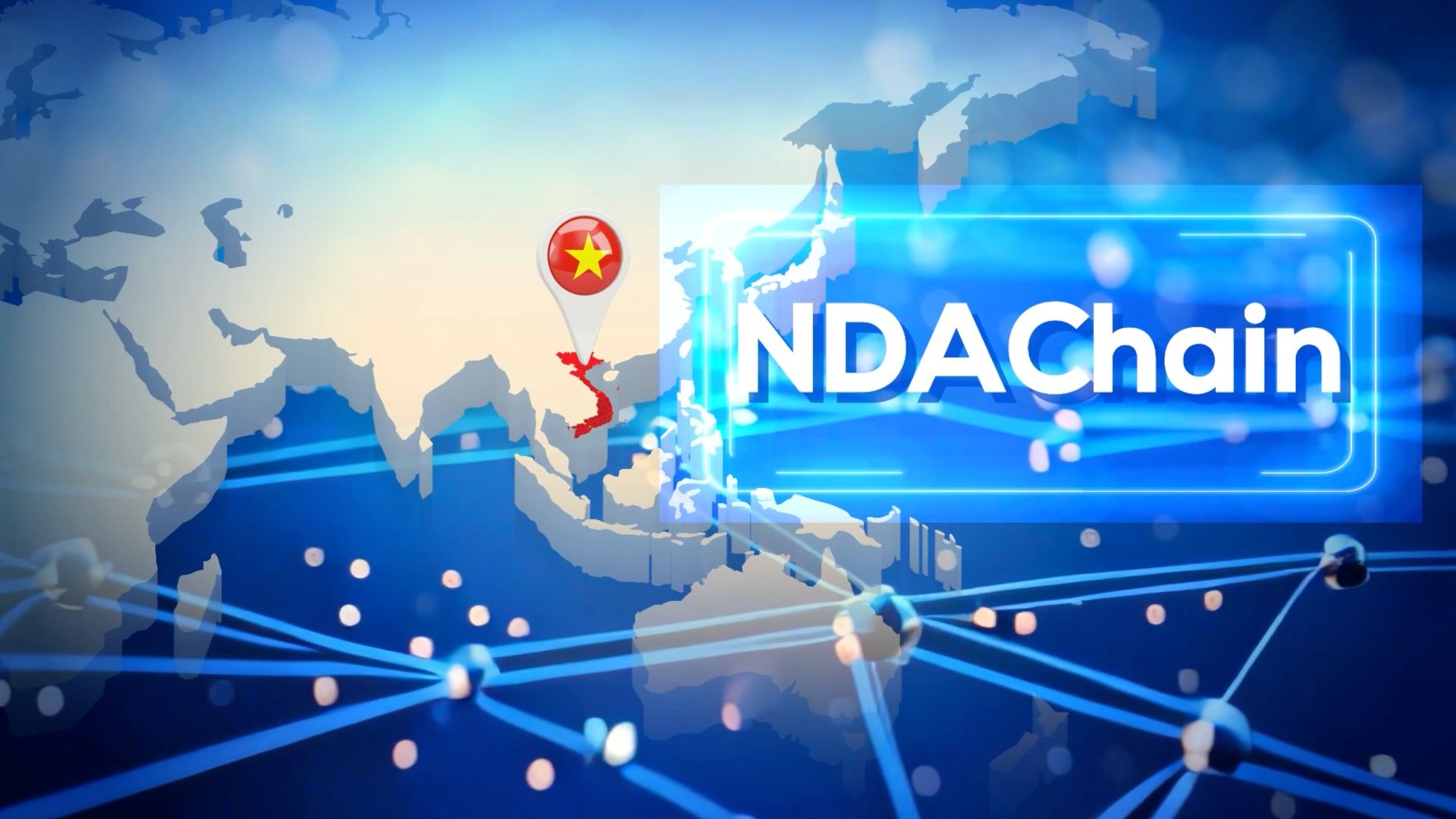
In Vietnam, NDAChain, a Layer 1 blockchain platform, is being developed to build trusted data infrastructure for digital ecosystems, including applications in education and credential verification.
The Future of Digital Education

The growth of online learning and lifelong education is reshaping how learning data is created and used. According to the World Economic Forum, around 50% of the global workforce will need reskilling, while HolonIQ projects the EdTech market to reach $404 billion by 2025.
This highlights the increasing demand for reliable systems to manage and verify academic data.
In this context, Layer 1 blockchain acts as a foundational infrastructure that:
Ensures data integrity
Enables instant credential verification
Builds transparent education ecosystems
As more countries develop national blockchain platforms, this technology is expected to become a core component of digital education systems worldwide.
👉 Learn more about NDAChain – a Layer 1 blockchain platform building trusted data infrastructure for digital ecosystems: https://ndachain.vn

.webp)




.png?s=fpt)

