Why is a national blockchain important?
Blockchain is a distributed ledger technology that enables data to be stored and shared in a transparent, immutable manner without intermediaries. When deployed at the national level, blockchain enables data synchronization among government agencies, businesses, and citizens, creating a unified and efficient management system. This is particularly important in addressing issues such as counterfeit goods, as it provides a clear and tamper-proof traceability mechanism.

Counterfeit goods, especially in the food and pharmaceutical sectors, cause serious consequences. This problem not only leads to economic losses and erodes consumer trust but also directly threatens public health. In many cases, consumers have no reliable way to verify a product’s origin other than relying on intuition or the seller’s claims. This is not merely a management issue, but fundamentally a matter of trust.
🔑Read more: Why is Vietnam building a national blockchain platform?
A national blockchain allows digital identifiers (DIDs) to be assigned to individual products, recording their entire journey from production and transportation to distribution. Consumers only need to scan a QR code or identification chip to verify product information and authenticity. Each data block is timestamped, encrypted, and once recorded on the chain, cannot be altered or deleted without leaving evidence. This immutability, transparency, and decentralization make blockchain a gold standard for building digital trust.
In traceability systems, blockchain tracks the full lifecycle of a product, from raw materials and manufacturing to delivery to consumers, without allowing anyone to manipulate the data. With a single scan, consumers can access reliable information instead of relying on assumptions.
Beyond combating counterfeit goods, a national blockchain also addresses broader social issues such as financial fraud, smuggling, and inefficient administrative management. For example, in tax management, blockchain can enhance transaction transparency and reduce budget losses. In education, it helps verify diplomas and prevent fake credentials. Its decentralized nature ensures that no individual or organization can manipulate data, thereby strengthening societal trust.
NDAChain as a trusted infrastructure for the digital economy
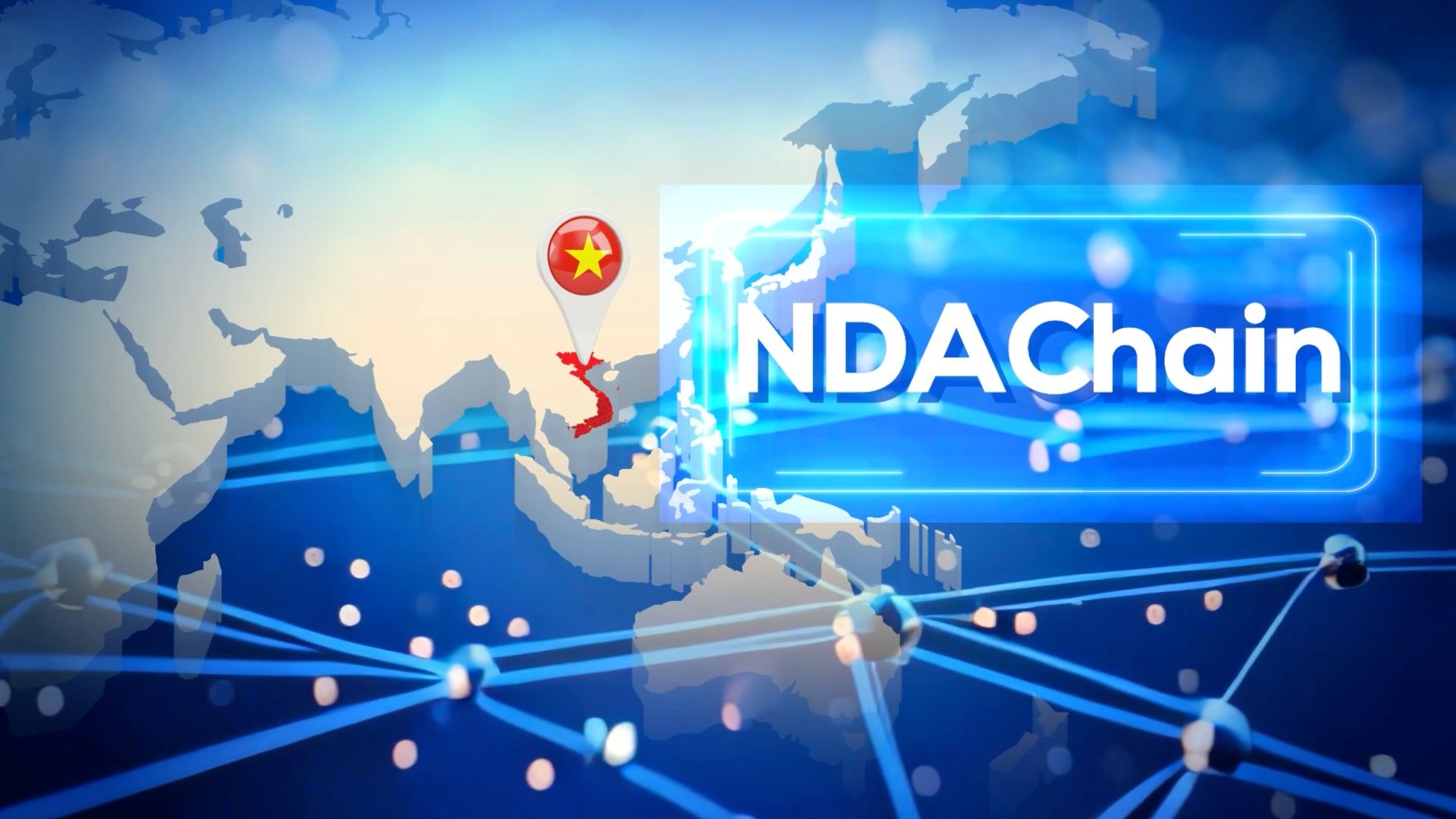
Launched in early 2025, NDAChain is Vietnam’s first Layer 1 blockchain platform, designed to build a decentralized digital identity infrastructure at the national level. With the goal of addressing pressing societal challenges, NDAChain is not only a technological advancement but also a comprehensive solution to issues such as counterfeiting, fraud, and lack of transparency.

🔑Read more: Why is Layer 1 called the backbone of blockchain?
In the fight against counterfeit goods, NDAChain enables digital identifiers to be assigned to each product, from food and pharmaceuticals to consumer goods. Each identifier is stored on the blockchain, ensuring immutability and resistance to duplication. Businesses can integrate NDAChain into their supply chains to record information about origin, production processes, and distribution. Consumers can easily use their smartphones to scan and verify product authenticity, reducing the risk of purchasing counterfeit goods.
Unlike private or foreign blockchain platforms, NDAChain is designed in alignment with Vietnam’s regulatory environment, ensuring legal validity, scalability, and deep integration with digital government and digital economy ecosystems.
A key differentiator of NDAChain is its synchronization of technology, governance, and legal compliance. Through multi-layer authentication mechanisms, data recorded on NDAChain is not only trustworthy but also legally valid, supporting inspections, audits, origin verification, and dispute resolution.
More than anti-counterfeiting, a trust foundation for the digital society
In a society where data has become the lifeblood of the economy, a national blockchain such as NDAChain is not only a tool for addressing commercial fraud. More importantly, it serves as the foundation for digital trust, a prerequisite for secure transactions, innovation, and effective governance.
🔑 Read more: National blockchain: A digital shield against counterfeit goods
.png)
From supply chain management and corporate transparency to reducing fraud in social subsidies and public finance, a national blockchain enables the state to modernize governance while helping citizens live, work, and consume in a more trustworthy environment.
.webp)




.png?s=fpt)

