.webp)
Global Trends in Blockchain for Traceability
.webp)
Globally, Blockchain has evolved from a conceptual novelty into a cornerstone for the digital economy and data sovereignty. Leading nations have pioneered its integration into national strategies:
European Union: Deploying the EBSI (European Blockchain Services Infrastructure).
China: Developing the BSN (Blockchain-based Service Network).
Singapore & UAE: Integrating Blockchain as a trust infrastructure for their entire innovation ecosystems.
A Strategic Shift in Vietnam
The decision by the Ministry of Science and Technology to include Blockchain for traceability in the list of strategic technologies marks a significant milestone. This is more than just trend recognition; it is a formal affirmation of Blockchain’s role as a core infrastructure layer for building digital trust.
Why is Blockchain the "Key" to Data?
In the digital era, data only holds value when it is verified, transparent, and immutable. Blockchain solves this through its distributed architecture:
Anti-manipulation: Data is recorded across multiple independent nodes, eliminating the risks associated with centralized points of failure.
Objective Verification: From population management to production and trade, all information is verifiable, creating a bedrock for reliable digital transactions.
National Vision and Data Sovereignty

Defining Blockchain as a strategic technology paves the way for:
Legal Frameworks: Establishing shared data standards.
Mastering Core Technology: Ensuring national data sovereignty and enhancing the reputation of Vietnamese goods globally.
Setting New Standards: Enabling Vietnam to participate in global benchmarks for traceability and digital commerce.
Blockchain: Guaranteeing Value, Authenticating Trust
While various anti-counterfeiting and traceability solutions exist in Vietnam, ranging from QR codes to internal management systems, most remain localized and fragmented. This data silos issue creates a lack of independent verification, failing to foster sustainable market trust.
Blockchain addresses this at its root. With its decentralized and immutable nature, every piece of data in the supply chain, from production and processing to logistics and consumption, is recorded simultaneously across independent verification nodes.
Agriculture: Proves clean production processes and enhances export credibility.
Fisheries: Ensures supply chain transparency, meeting strict international standards like IUU or ESG.
Pharmaceuticals: Enables bi-directional tracking of medicines and vaccines to prevent counterfeiting.
Overcoming Implementation Barriers

The primary challenge is not the technology itself, but building a synchronized ecosystem. Blockchain's effectiveness relies on three pillars:
Technical Infrastructure & Cost: High initial investment for SMEs. The solution lies in cost-optimized platforms and government-supported financial policies.
Data Standardization: Blockchain cannot create value from inaccurate input. National data standards are a prerequisite for cross-industry interoperability.
Market Awareness: Shifting the perception of traceability from a "compliance cost" to a competitive advantage.
Data Standardization: The Prerequisite for Success
.png)
Data only creates value when it is organized under a unified standard. Initiatives are now focusing on establishing standards for agriculture, healthcare, and finance to ensure data is structured, interoperable, and legally valid.
NDATrace emerges as a leading platform in this transition:
Trust authentication: Acting as a protective layer to ensure data remains unalterable.
Transparency: Cleaning and validating data to reflect its true value.
Supporting SMEs: Application, Integration, and Growth
To help SMEs effectively adopt Blockchain, a synchronized policy mix is required:
Financial Incentives: Encouraging participation in national infrastructures like NDAChain and NDATrace through innovation funds.
Risk Reduction: Providing a verified national data standard so SMEs can connect to the ecosystem without building their own systems.
Capacity Building: Helping businesses understand Blockchain as a tool to enhance brand value and open doors to high-end export markets.
NDAChain: Building Trust Infrastructure for the Data Economy
.png)
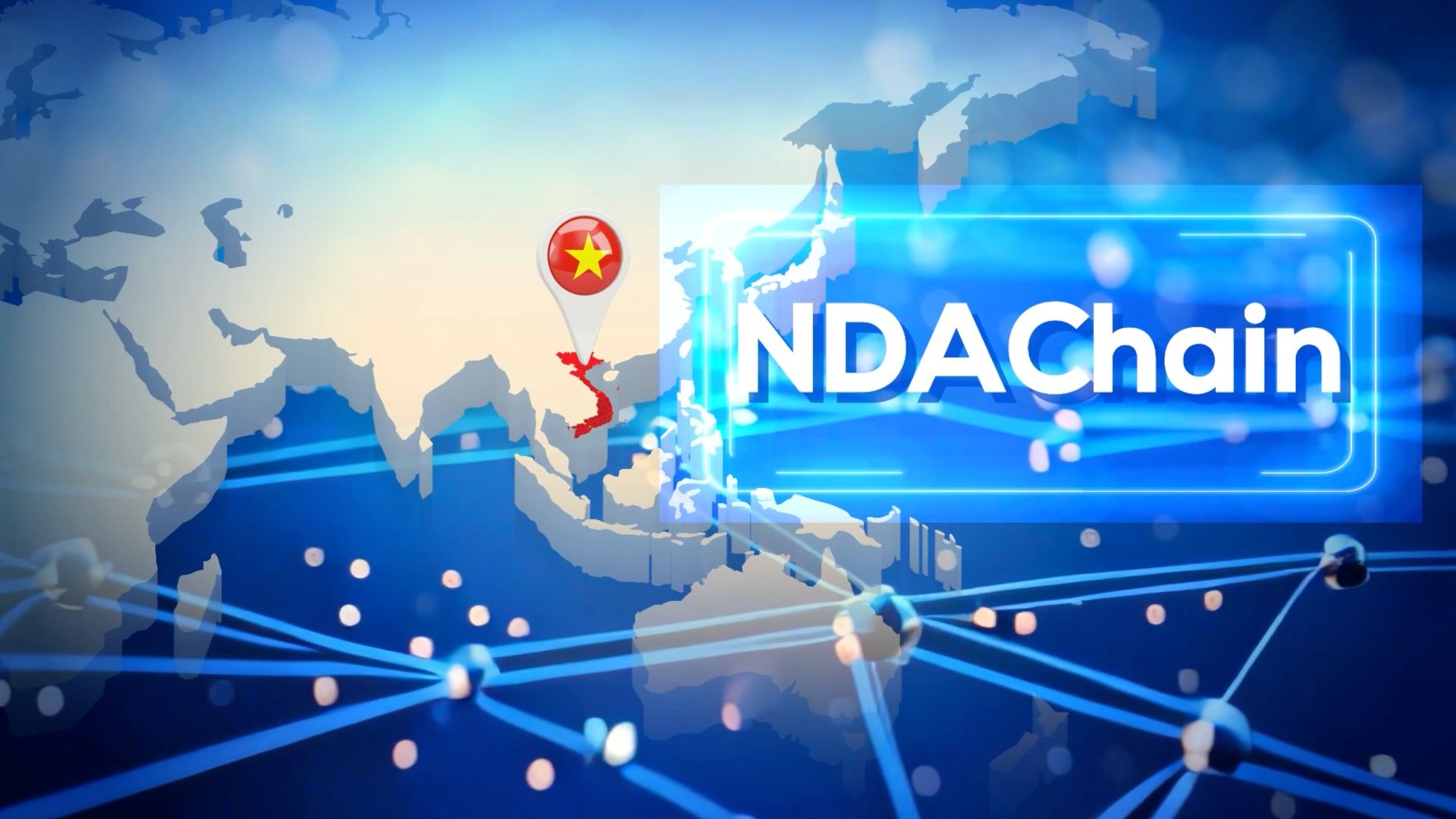
The long-term vision of NDAChain is to become the digital trust infrastructure for Vietnam's open data economy. In an era where data is only as good as its verifiability, NDAChain and NDATrace serve as the backbone for a reliable national data ecosystem.
Internationally, NDAChain aims to contribute to new global standards for transparent trade. By mastering national blockchain infrastructure, Vietnam not only secures its digital sovereignty but also strengthens its position in the global value chain.






.png?s=fpt)

