Traceability Challenges in Vietnam
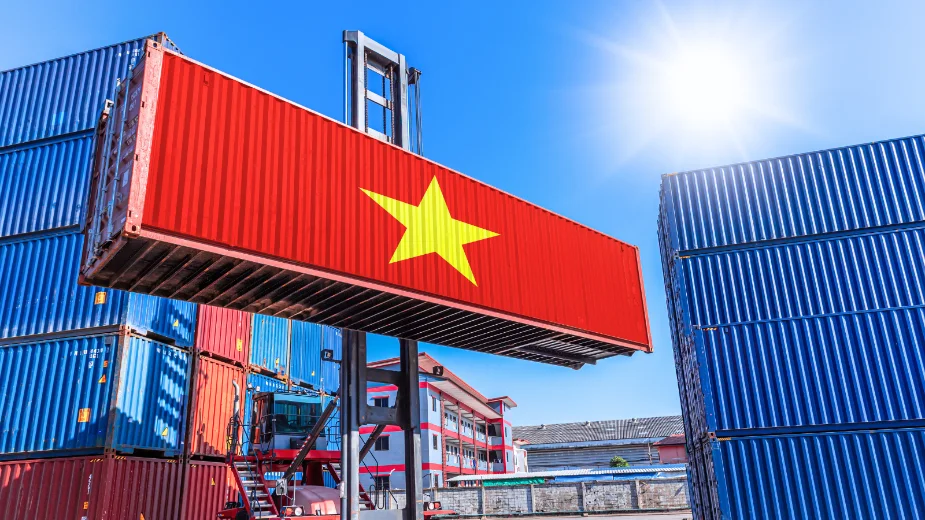
Product Traceability Challenges in Vietnam
Fragmented, Hard-to-Verify, and Disconnected Data
Many Vietnamese businesses have adopted product traceability solutions using QR codes, websites, or electronic record-keeping systems. However, most of these solutions operate in isolation, making it difficult to verify data and achieve end-to-end transparency across the supply chain.
Traceability Data Relies on Self-Reported Information
Consumers and business partners primarily access information published by manufacturers or distributors themselves. Without an independent verification mechanism, stakeholders have limited ability to detect inaccurate, altered, or misleading product data, reducing trust in product origin and authenticity.
Limited Interoperability Across the Supply Chain
A single product may pass through multiple stakeholders, including raw material suppliers, cooperatives, processing facilities, logistics providers, warehouses, and exporters. When each participant uses a separate traceability system, data becomes fragmented, disrupting the continuous verification of a product's journey from source to market.
Difficulty Meeting International Traceability Standards
Emerging global requirements, including the Digital Product Passport (DPP), GS1 standards, and new supply chain transparency regulations, require standardized, structured, and interoperable data that can be exchanged across multiple systems. Standalone traceability solutions often struggle to meet these requirements, forcing businesses to invest additional resources in system integration, data transformation, and compliance verification.
These challenges highlight the growing need for a shared product traceability platform in Vietnam, one that standardizes data, verifies information, and connects every stakeholder across the supply chain. Built on the NDAChain blockchain, NDATrace is designed to serve as this shared infrastructure, enabling businesses to improve supply chain transparency, prevent fraud, and comply with evolving domestic and international regulatory requirements while strengthening their global competitiveness.
Consequences of Fragmented Traceability Data
When supply chain data is not connected and verified through a unified system, tracing a product's origin can take days, or even weeks. This delays product recalls, increases financial losses, and undermines consumer confidence.
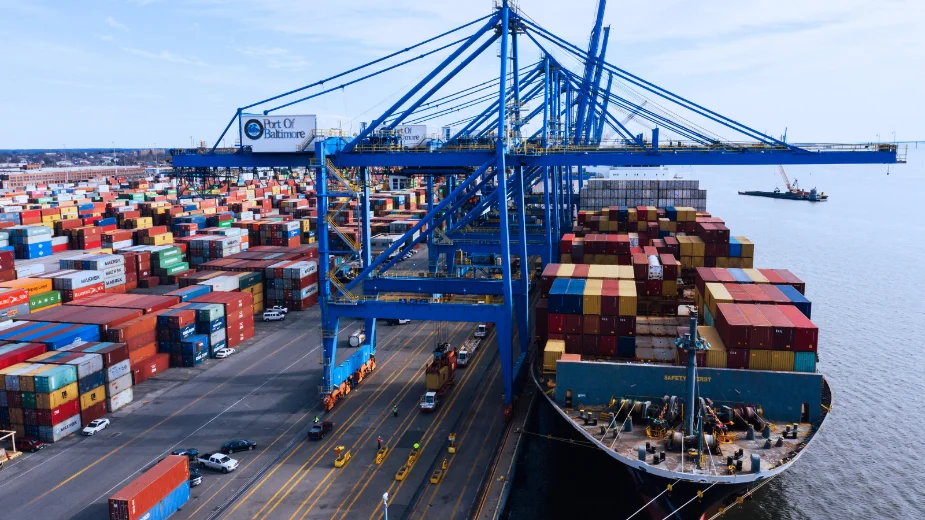
A notable example is the 2013 European horse meat scandal, in which many products labeled as beef were found to contain horse meat. Because traceability data was scattered across multiple companies and countries, regulators took more than two weeks to identify the source, resulting in significant losses for the European food industry.
Following this incident, many retailers invested in blockchain technology to improve supply chain transparency. In collaboration with IBM Food Trust, Walmart implemented a product traceability system for products such as mangoes and leafy greens. By recording data from each stage of the supply chain on the blockchain, the time required to identify a product's origin was reduced from approximately seven days to just a few seconds. This enables businesses to respond more quickly to food safety incidents and recall only the affected product batches.
In Vietnam, cases involving counterfeit goods, food products of unknown origin, counterfeit medicines, and substandard products continue to occur on a regular basis. This highlights the need for a unified product traceability system, where data is verified, tamper-resistant, and can be cross-verified by businesses, regulators, and consumers. This is also the role that the NDAChain national blockchain and platforms such as NDATrace aim to fulfill in building a transparent and trustworthy supply chain.
NDATrace – A Shared Product Traceability Platform
What is NDATrace?
NDATrace is a platform for product identification, verification and traceability at the individual product level. Built on the NDAChain blockchain and powered by Decentralized Identity (DID) technology, NDATrace assigns each product a Unique Identifier (UID), enabling transparent tracking throughout its entire lifecycle, from manufacturing, import, and inspection to logistics, distribution, and end use.
Every authentication event performed by stakeholders across the supply chain is recorded on the blockchain with integrity, ensuring that the data is tamper-proof, immutable, and resistant to counterfeiting.

Unlike standalone product traceability systems, NDATrace does not replace existing traceability solutions. Instead, it adds a blockchain-based data verification layer powered by NDAChain, enabling traceability data to be independently verified while enhancing interoperability with international standards. This approach supports a wide range of businesses, from cooperatives and small-scale producers to manufacturers and export enterprises.
A Unique Digital Identity for Every Product
Within the NDATrace ecosystem, every product or product batch is assigned a unique Decentralized Identifier (DID) in the format did:nda:....
This identifier is linked to the product's core information, including the product name, category, production date, manufacturer, source of raw materials, and other identifying attributes. The data is digitally signed by authorized entities, such as farmers, cooperatives, or manufacturing facilities, ensuring its authenticity from the point of origin.
Throughout the product lifecycle, key events, including harvesting, processing, packaging, transportation, quality inspection, customs clearance, and distributio are recorded as Verifiable Credentials (VCs). Each VC is digitally signed by the responsible party and cryptographically anchored to the NDAChain blockchain with a timestamp, ensuring data integrity, immutability, and verifiability at every stage of the supply chain.
Bidirectional Product Traceability: Backward and Forward Tracking
NDATrace supports bidirectional product traceability, meeting the needs of consumers, businesses, and regulatory authorities alike.
Consumers can simply scan the QR code on a product to trace its origin back to the source of raw materials, the manufacturer, and the product's complete journey throughout the supply chain.
Conversely, businesses and regulatory authorities can search using the product's Decentralized Identifier (DID) to track its circulation, identify all participants involved in the supply chain, and review its transaction history whenever necessary.
This capability distinguishes NDATrace from many traditional product traceability systems, which typically provide one-way traceability, from manufacturers to consumers only.
Compatible with International Traceability Standards
NDATrace is designed to support internationally recognized data standards that are widely adopted in global trade, including:
GS1 for product identification.
W3C Decentralized Identifiers (DIDs) and Verifiable Credentials (VCs) for decentralized identity and digital verification.
GS1 EPCIS for exchanging supply chain event data.
By complying with these open standards, NDATrace enables businesses to use a single product traceability platform for both domestic and export markets. This helps reduce the cost and complexity of integrating multiple systems while making it easier to comply with international requirements such as the Digital Product Passport (DPP), the EU Deforestation Regulation (EUDR), and other supply chain transparency regulations.
Specific Use Cases of NDATrace
1. Coffee Traceability for EUDR Compliance
The EU Deforestation Regulation (EUDR) requires every coffee shipment imported into the European Union to demonstrate that it was not cultivated on land subject to deforestation after 31 December 2020. The required documentation may include the precise geolocation of the coffee farm, the planting date, land management history, and relevant legal documents.
This translation stays close to the original while incorporating SEO-friendly keywords such as Coffee Traceability, EUDR Compliance, European Union, geolocation, and land management history.

With NDATrace, coffee cooperatives can upload farm geolocation data and cultivation history through a user-friendly interface, then digitally sign the information using the cooperative's Decentralized Identifier (DID). When exporting, businesses can generate a Verifiable Presentation (VP) that consolidates EUDR compliance evidence and enables verification through a W3C-compliant DID Universal Resolver.
As a result, customs authorities and trading partners in the European Union can verify product information quickly, without having to review multiple sets of paper-based documents.
Vietnam is one of the world's leading coffee exporters. Therefore, the ability to comply with the EU Deforestation Regulation (EUDR) plays a critical role in maintaining existing export markets and expanding access to new opportunities in the European Union.
2. Seafood Traceability: From Farm to Table
Vietnamese shrimp, pangasius, and basa fish exported to the United States, European Union, and Japan are subject to increasingly stringent requirements for seafood traceability and food safety.
With NDATrace, each aquaculture farm can be assigned a unique Decentralized Identifier (DID). Key information, including farming cycles, harvest dates, feed types, and antibiotic residue test results, is recorded and digitally signed by authorized parties, including aquaculture farms, seafood processors, and testing laboratories.
If a seafood shipment is found to exceed antibiotic residue limits in an importing market, regulatory authorities can quickly trace it back to the originating farm, harvest date, feed batch, and all relevant participants in the supply chain. This enables corrective actions to be targeted precisely at the source of the issue, rather than disrupting the entire seafood industry.
3. Timber Traceability with Digital FSC and PEFC Certifications
Vietnam's timber industry is a major export sector, while regulations such as the EU Deforestation Regulation (EUDR) and certification schemes including FSC and PEFC impose increasingly stringent requirements for legal timber sourcing and deforestation risk management.
With NDATrace, FSC and PEFC certificates can be issued as Verifiable Credentials (VCs) and linked to the Decentralized Identifier (DID) of each timber batch. These digital certificates can be verified at multiple points throughout the supply chain, from the source forest and processing facilities to exporters and importing markets.
This approach helps prevent certificate fraud, enhances the verification of timber origin, and supports businesses in meeting international requirements for supply chain transparency and responsible timber sourcing.
4. Pharmaceutical Traceability and Anti-Counterfeiting
Counterfeit medicines remain one of the greatest risks to the pharmaceutical industry, particularly for high-value and high-demand products such as antibiotics, cancer therapies, and branded prescription drugs.
NDATrace can be integrated with DataMatrix codes on individual medicine packages, enabling consumers, pharmacies, and regulatory authorities to verify a product's history. Users can check every stage the medicine has passed through, determine whether it is subject to a product recall, and verify whether the product code has previously been recorded at another point of sale.
Every event across the supply chain, from manufacturing and packaging to distribution and retail—is digitally signed by the responsible entity using its Decentralized Identifier (DID) on the NDAChain blockchain. As a result, counterfeiters cannot easily replicate the complete, cryptographically verifiable transaction history of a genuine pharmaceutical product, making counterfeit medicines significantly easier to detect.
5. Premium Consumer Goods and Anti-Counterfeiting
Cosmetics, fashion, consumer electronics, and other premium consumer goods are increasingly vulnerable to counterfeiting and brand infringement.

With NDATrace, businesses can issue a Verifiable Credential (VC) for each individual product, certifying key information such as its authenticity, manufacturing facility, production batch, and issuance date. Consumers simply scan the QR code on the product packaging to verify its authenticity using blockchain-verified data.
A similar approach has already been adopted by international luxury brands to authenticate high-value products and combat counterfeiting. Built on the NDAChain blockchain, NDATrace enables Vietnam to develop a product traceability and anti-counterfeiting solution that is better suited to the needs, scale, and cost considerations of domestic businesses.
A New Data Economy for Vietnamese Businesses
Turning Traceability Data into Digital Assets
NDATrace not only helps businesses meet regulatory compliance requirements but also unlocks new opportunities to create value from product traceability data. As traceability records are continuously accumulated and independently verified over time, information related to raw material origins, production processes, product quality, and supply chain journeys can evolve into valuable digital assets.
Businesses can leverage these trusted data assets to demonstrate product quality to premium customers, support the development of data-driven crop insurance based on verified production records, or participate in carbon credit markets in industries such as coffee, cocoa, and timber.

This represents a key pillar of the data economy that many Vietnamese businesses have yet to fully leverage, largely due to the lack of a trusted infrastructure that enables data to be verified and recognized across multiple stakeholders. NDATrace is designed to bridge this gap by standardizing, verifying, and connecting traceability data on the NDAChain blockchain.
Supporting Cooperatives and SMEs in the Digital Supply Chain
A common misconception is that blockchain is too complex and only suitable for large enterprises. However, NDATrace is designed with a user-friendly interface, mobile accessibility, and simple workflows that enable farmers, cooperatives, and small and medium-sized enterprises (SMEs) to record supply chain events with just a few straightforward steps.
Users do not need in-depth knowledge of cryptography, operate their own blockchain infrastructure, or invest in dedicated IT systems.
In Vietnam's agricultural export value chain, a significant share of production comes from smallholder farmers and cooperatives. Therefore, meeting requirements such as the EU Deforestation Regulation (EUDR), the Digital Product Passport (DPP), and international product traceability standards cannot be the responsibility of large enterprises alone. It requires participation from every stakeholder across the supply chain.
NDATrace is designed with this reality in mind, providing an accessible approach that enables small-scale producers, cooperatives, and SMEs to participate in a digital product traceability system without creating additional technological barriers.
Interoperable Traceability Data Across the ASEAN Corridor
The ability to verify traceability data across borders represents a significant opportunity for NDATrace. As the NDAChain blockchain connects with trusted digital infrastructure across the region, traceability data recorded in Vietnam can be directly verified by partners in Indonesia, Thailand, Malaysia, and other ASEAN countries.
This enables businesses to reduce the time required for document verification, improve transparency in cross-border trade, and build more trusted and resilient regional supply chains.
As trade and the digital economy continue to expand between Vietnam and other ASEAN member states, cross-border product traceability has the potential to become a critical foundation for boosting exports, reducing verification costs, and strengthening the global competitiveness of Vietnamese products.
Challenges of Implementing Blockchain-Based Product Traceability
Strengthening Digital Capabilities at the Source
One of the biggest challenges in implementing blockchain-based product traceability lies in the digital capabilities of upstream stakeholders, including farmers, fishers, and cooperatives.
To ensure traceability data is recorded accurately and consistently, investment in digital devices, connectivity, and user training is essential. More importantly, participants across the supply chain need to see clear economic benefits. If updating data on NDATrace does not deliver tangible value, such as expanding export opportunities, increasing product value, or improving market access, maintaining high-quality traceability data over the long term will remain a challenge.
Coordinating the Entire Supply Chain
An exporting company may be ready to adopt NDATrace, but the effectiveness of the platform depends on the participation of every stakeholder across the supply chain, from raw material producers and cooperatives to processing facilities, logistics providers, and distributors.
Building an interoperable product traceability system requires close collaboration among businesses, industry associations, and government authorities. At the same time, international regulations such as the EU Deforestation Regulation (EUDR), the Digital Product Passport (DPP), and other emerging supply chain transparency requirements will continue to drive the adoption of digital traceability solutions.
Integration with Existing Enterprise Systems
Implementing a product traceability platform goes beyond simply recording traceability data. It also requires seamless integration with existing enterprise systems, including Enterprise Resource Planning (ERP), warehouse management systems (WMS), logistics platforms, customs systems, and manufacturing execution or production management systems.
NDATrace provides open-standard APIs and SDKs to facilitate system integration. However, each business should work closely with its technology partners to design and implement integration workflows that align with its existing operational processes and IT infrastructure.
A Phased Approach to Implementation
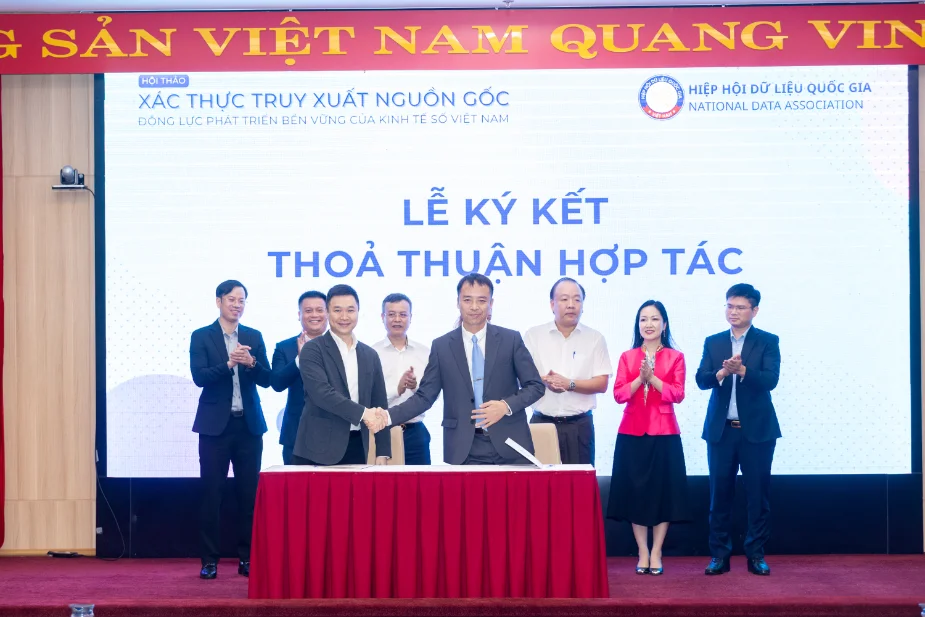
With the support of the NDAChain ecosystem and strategic partners including Sun Group, Masan, MISA, Phygital Labs, and the National Barcode Center of Vietnam, NDATrace recognizes that digital traceability is a long-term transformation that should be implemented in phases.
The initial strategy focuses on industries facing the greatest pressure to meet product traceability and international compliance requirements, including coffee, seafood, timber, and pharmaceuticals. After demonstrating success through pilot projects, the model can be gradually expanded to additional industries, ultimately establishing a shared product traceability platform on the NDAChain national blockchain to support Vietnamese businesses in both domestic and global markets.
NDATrace – A Digital Product Passport for Vietnamese Products and Brands
An exported product carries more than packaging and shipping documents, it represents the reputation of an entire nation. When a shipment of Vietnamese coffee is rejected at the EU border due to insufficient evidence of EUDR compliance, the impact extends beyond the revenue of a single exporter. It also affects the credibility of Vietnamese products in international markets.

NDATrace is more than a software platform. It is a digital infrastructure that enables Vietnamese products to prove their origin, improve supply chain transparency, and comply with international standards. Every product equipped with a Digital Product Passport represents another step toward strengthening the "Made in Vietnam" brand in the data-driven economy.
With NDATrace, coffee from Vietnam's Central Highlands can reach Paris with complete, verifiable information about its origin and producers. Shrimp from the Mekong Delta can be exported to Tokyo with transparent records of its farming process. Vietnamese timber can arrive in Berlin with legally verified certification that can be authenticated instantly.
This is not only about regulatory compliance, it is also an opportunity for Vietnamese businesses to enhance their competitiveness, strengthen customer trust, and expand their presence in global markets.
👉 Learn more about NDATrace and NDAChain, the National Blockchain Platform of Vietnam at ndachain.vn.
.webp)






.png?s=fpt)

