Legal Recognition of Digital Assets Ends Long Standing Uncertainty
One of the most significant breakthroughs of the Law is the formal recognition of the legal status of digital assets and crypto assets. From this point forward, activities related to digital assets, including issuance, custody, and trading, are officially protected and regulated under Vietnamese law.
Previously, digital assets such as cryptocurrencies, tokens, and NFTs existed largely outside a clear legal framework. This uncertainty created concerns for investors and enterprises regarding legal risks and the protection of legitimate rights. With the Law now in force, this ambiguity is removed, providing the clear and stable legal foundation that the market has long awaited.
Importantly, this is also the first time Viet Nam has officially legalized the ownership and lawful use of crypto assets. An estimated 17 million Vietnamese citizens currently hold crypto assets, and their legitimate rights are now formally recognized and protected by law. This development strengthens investor protection, reduces fraud and market manipulation, and lays the groundwork for a transparent and sustainable digital asset market connected to real economic value.
Digital Assets Become a Legitimate Capital Channel

The Law on Digital Technology Industry is not only a regulatory instrument. It also opens the door for digital assets to become an official and effective capital mobilization channel for the economy.
For many years, Viet Nam has faced a structural challenge where large volumes of capital are concentrated in real estate, limiting the flow of resources into innovation, technology, and sustainable development. When properly regulated and governed, digital assets can help redirect capital toward productive sectors that create new economic value.
However, legal recognition alone is not enough. The essential condition for sustainable growth of the digital asset market is Digital Trust.
Speaking at the Vietnam Corporate Governance Forum 2025, Mr Nguyen Phu Dung, Co Founder of PILA Group and Investment Committee Member of Solaris Impact Fund under Pacific Bridge Capital, emphasized that unlocking capital flows requires building Digital Trust as a core national infrastructure.
In traditional environments, trust is built through personal relationships and direct interactions. In the digital economy, this approach is no longer sufficient. Investors today require verifiable digital evidence based on real time data and actual value creation, rather than relying solely on promises or declarations.
Mr Nguyen Phu Dung highlighted a fundamental principle: we cannot manage what cannot be measured, and we cannot measure what has not been properly identified. Therefore, a transparent and sustainable digital asset market must begin with identification, authentication, and data standardization.
Digital Identity as the Foundation of Market Trust
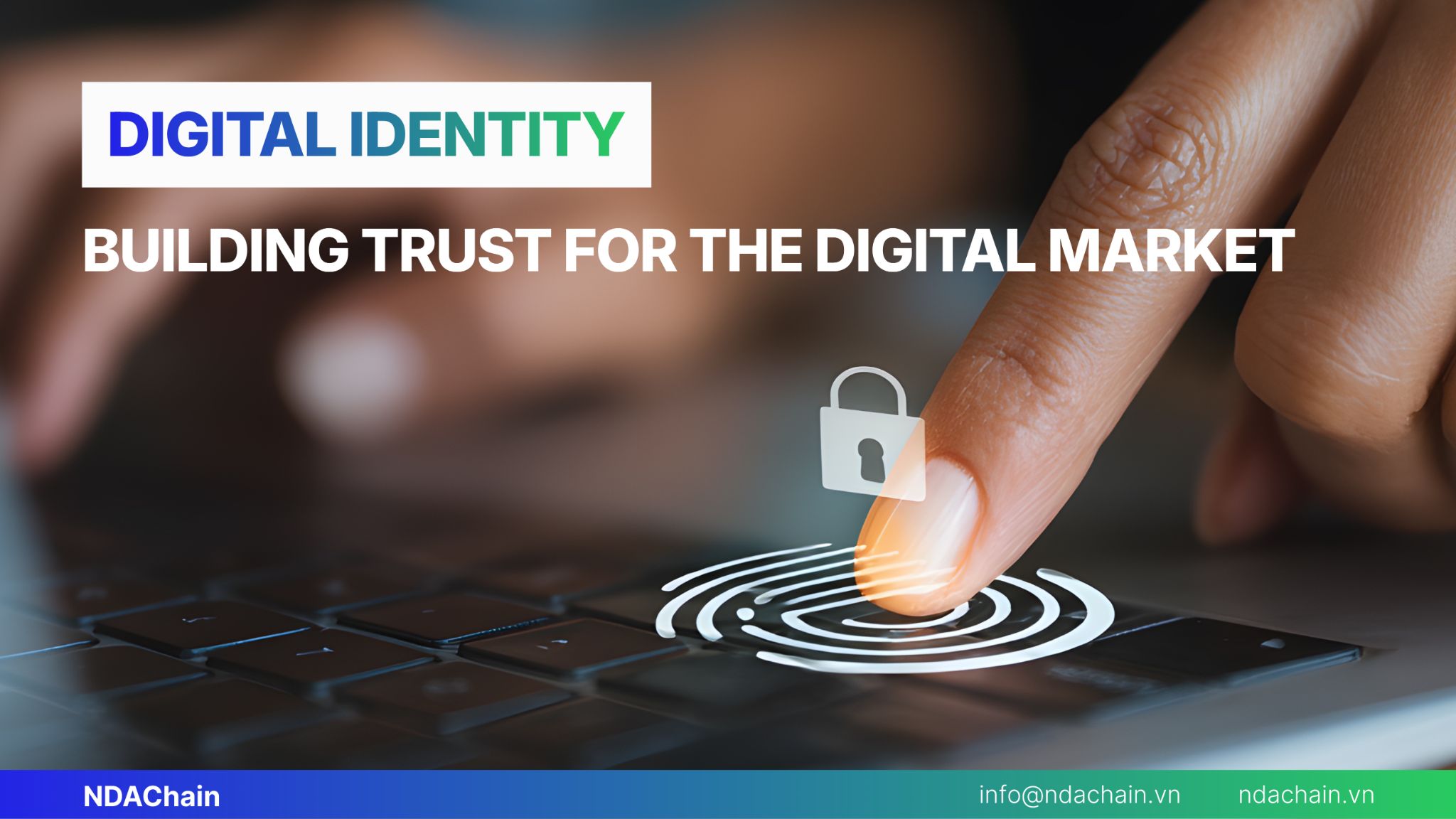
Digital identity and data verification must become the foundational pillars of the digital asset market. Investor confidence can only be sustained when individuals, organizations, and assets are clearly identified, when transactions are transparently recorded, traceable, and immutable, and when rights and responsibilities are represented by clear digital evidence.
Digital Trust must be built on transparent, tamper resistant, and independently verifiable data within national digital infrastructure. According to Mr Nguyen Phu Dung, four core elements must be clearly identified in every digital transaction:|
People, who owns and is responsible
Items, what exactly is being transacted
Location, where the asset or transaction takes place
Activities, how value is created
When these four elements are fully identified and secured using blockchain technology, they form immutable and transparent digital evidence that cannot be disputed. Blockchain therefore functions as the trust layer of the digital economy, ensuring data integrity, reducing manual intervention risks, and enabling reliable financial reporting.
Digital Trust as a Driver of Sustainable Market Development
Many developed economies have moved early to establish national digital trust infrastructure. In Europe, the European Blockchain Services Infrastructure was launched in 2018 to secure public data and support transparent governance. This demonstrates a clear principle: capital naturally flows to environments where data is standardized, verifiable, and trustworthy.
Digital Trust is therefore not only a regulatory requirement but also a source of national competitive advantage.
NDAChain enables enterprises, organizations, and individuals to transform data into trusted digital evidence, reduce operational risks, enhance transparency, and create digital assets linked to real economic activities. As the national digital trust infrastructure continues to mature, digital asset transactions and smart contracts can expand under legal protection, especially in primary markets where capital flows directly into production and business operations.
The Law on Digital Technology Industry taking effect from January 1, 2026 marks the end of the legal grey zone for digital assets in Viet Nam. More importantly, it opens the path toward a data driven economy built on sustainable Digital Trust.
When law, technology, and data converge, the digital asset market can evolve into a transparent and efficient capital channel, contributing directly to long term economic growth and strengthening Viet Nam’s position in the global digital economy.